

FOR WHOM?
WHERE IS PURE OYSTER?

WHO?

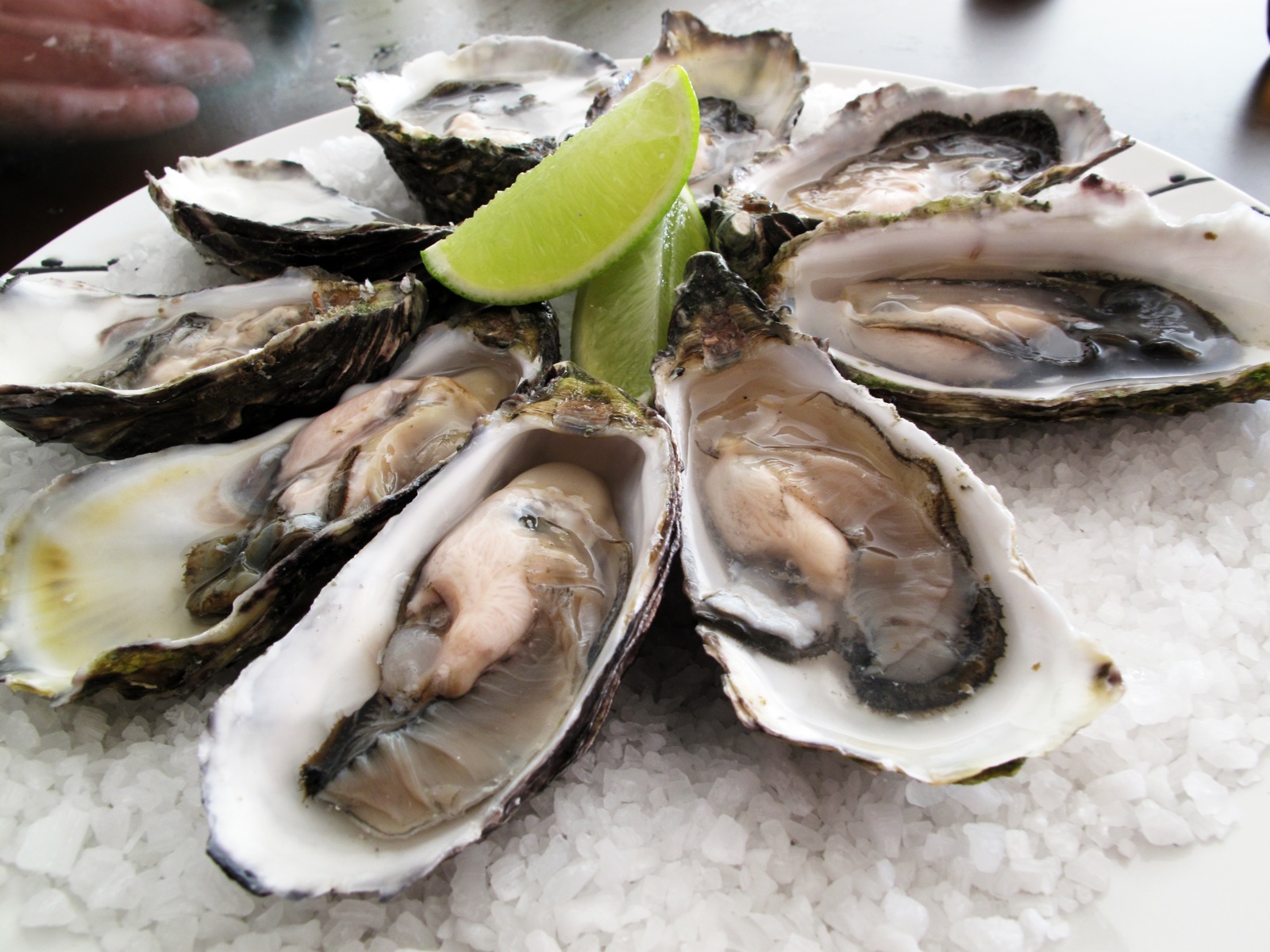
FINE DINING
Live life…Savour every flavour
NUTRITION
- High in Protein
- Packed with Minerals
- Benificial Vitamins

LIFE BENEFITS
Eating Oysters…
HOW?
- Oysters are heart healthy. They are high in omega – 3 fatty acids, potassium and magnesium which can help reduce your risk of heart attack, stroke and lower blood pressure.
- Oysters can help you lose weight! They are low in calories, low in fat and a good source of protein which makes you feel fuller after eating.
- Oysters can help improve your energy. They are a good source of iron which helps the body transport oxygen to individual cells giving you more energy.

MEAL FOR TWO
When the sun goes down
HEALTH RECOMENDATIONS
- Oysters have a place in a balanced meal plan.
- 6-ounce portion of raw Pacific oysters contains 16 grams of protein
- Getting enough protein in your diet is important because your body needs it for tissue repair, immune function and hormone synthesis.
- Oysters contain just 4 grams of fat per serving, with less than a gram coming from saturated fat.
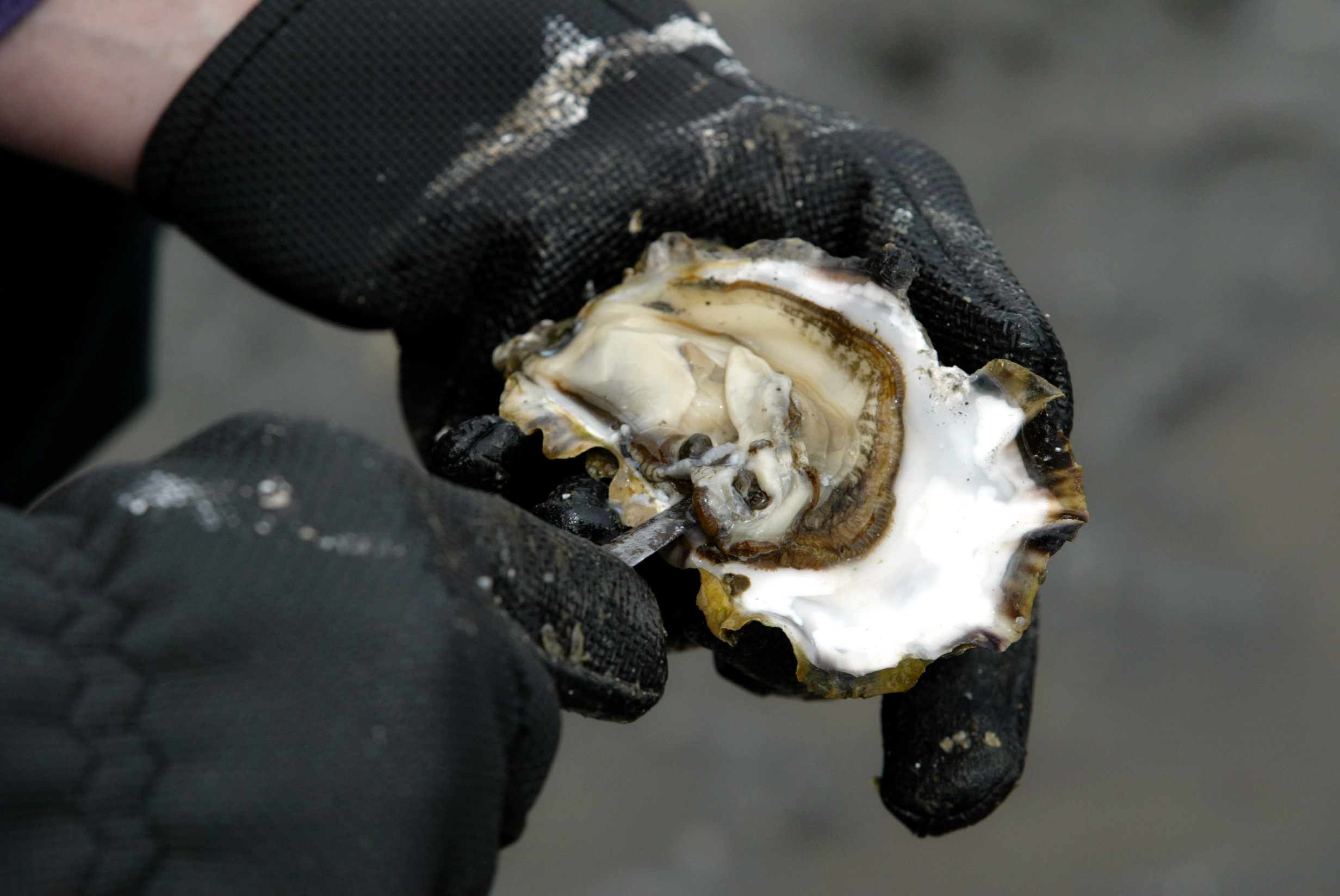
HARVESTING
The farming of oysters and other shellfish is relatively benign or even restorative environmentally, and holds promise for relieving pressure on land-based protein sources.
STEP 1
Oysters naturally grow in estuarine bodies of brackish water. When farmed, the temperature and salinity of the water are controlled (or at least monitored), so as to induce spawning and fertilization, as well as to speed the rate of maturation – which can take several years.
STEP 2
In each case oysters are cultivated to the size of "spat," the point at which they attach themselves to a substrate. The substrate is known as a "cultch" (also spelled "cutch" or "culch").[3] The loose spat may be allowed to mature further to form "seed" oysters with small shells. In either case (spat or seed stage), they are then set out to mature. The maturation technique is where the cultivation method choice is made.
STEP 3
Restoration of oyster populations are encouraged for the ecosystem services they provide, including water quality maintenance, shoreline protection and sediment stabilization, nutrient cycling and sequestration, and habitat for other organisms.

MARINE LIFE
Oysters benefits
with nature

Other sources state that a single oyster can filter 24-96 liters a day(1-4 liters per hour).
The particulate matter oysters remove are sand, clay, silt, detritus, and phytoplankton.
OYSTER BAY
Sunrise at Lough Foyle

The Wild
Atlantic Way
County Donegal
Travelling around County Donegal takes in Malin Head, Fanad Head and Slieve League. This route is approximately 557km (346 miles). The closest airports to Great Britain are City of Derry, Belfast International, George Best Belfast City or Ireland West Airport Knock (IWAK). If you're travelling by ferry, sail into Belfast or Dublin and take in the scenery from the comfort of your car.
WANT TO VISIT
www.pureoyster.com
Oyster Bay
or
Wild Atlantic Way
Muff
pureoyster@hotmail.com